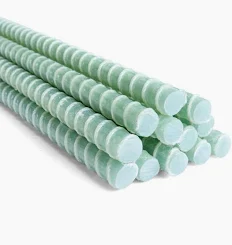
When planning a concrete project in Minnesota, choosing the right reinforcement material can make or break your investment’s longevity. Both fiberglass and traditional steel rebar have distinct advantages and drawbacks that every homeowner should understand before breaking ground.
The decision between these reinforcement options becomes especially critical in the Twin Cities metro area, where harsh winters and freeze-thaw cycles put extra stress on concrete structures. Let’s examine both materials to help you make an informed choice for your next project.
Understanding Fiberglass Rebar
Fiberglass rebar, also known as GFRP (Glass Fiber Reinforced Polymer), consists of glass fibers embedded in a polymer resin matrix. This relatively newer reinforcement option has gained popularity among concrete contractors for specific applications.
Unlike traditional steel rebar, fiberglass rebar is completely non-metallic. This fundamental difference creates unique properties that can be advantageous or problematic depending on your project’s requirements.
The manufacturing process involves pultrusion, where continuous glass fibers are pulled through a resin bath and then cured in heated dies. This creates a lightweight yet strong reinforcement bar with consistent properties throughout its length.
Advantages of Fiberglass Rebar
Corrosion Resistance
The most significant advantage of fiberglass rebar is its complete immunity to corrosion. In Minneapolis and surrounding communities where road salt is heavily used during winter months, this benefit cannot be overstated.
Steel rebar can rust when exposed to moisture and chlorides, causing it to expand and crack the surrounding concrete. This is particularly problematic in areas like Bloomington and Plymouth, where concrete structures face constant exposure to de-icing chemicals.
Fiberglass rebar maintains its structural integrity indefinitely, even in harsh Minnesota weather conditions. This makes it an excellent choice for driveways, sidewalks, and outdoor structures in Edina, Minnetonka, and other Twin Cities suburbs.
Weight Benefits
Fiberglass rebar weighs approximately 75% less than equivalent steel reinforcement. This significant weight reduction makes handling and installation easier for both contractors and DIY enthusiasts.
The lighter weight also reduces transportation costs and allows for easier positioning during concrete pours. For residential projects in Maple Grove or Anoka, this can translate to lower labor costs and faster installation times.
Electromagnetic Transparency
Unlike steel rebar, fiberglass reinforcement doesn’t interfere with electromagnetic signals. While this advantage is rarely relevant for typical residential concrete projects, it can be important for specialized applications.
This property makes fiberglass rebar suitable for structures near airports, communication towers, or medical facilities where electromagnetic interference must be minimized.
Disadvantages of Fiberglass Rebar
Cost Considerations
Fiberglass rebar typically costs 3-5 times more than traditional steel rebar. For large projects in Brooklyn Park or Blaine, this cost difference can significantly impact your budget.
While the long-term savings from reduced maintenance may offset the initial investment, many homeowners find the upfront costs prohibitive. The higher material costs don’t always justify the benefits for standard residential applications.
Lower Modulus of Elasticity
Fiberglass rebar has a much lower modulus of elasticity compared to steel. This means it’s less stiff and more prone to deflection under load.
For structural applications requiring high rigidity, such as foundation walls or load-bearing elements, this flexibility can be problematic. The increased deflection may lead to wider crack patterns in the concrete, potentially affecting both appearance and performance.
Installation Challenges
Working with fiberglass rebar requires different techniques and tools compared to steel. Standard rebar cutters and benders won’t work with fiberglass reinforcement.
Cutting fiberglass rebar produces fine particles that can irritate skin and respiratory systems, requiring proper protective equipment. Many concrete contractors in Fridley and surrounding areas need specialized training to work safely with this material.
Steel Rebar: The Traditional Choice
Steel rebar remains the gold standard for concrete reinforcement in most applications. Its high strength, predictable behavior, and lower cost make it the preferred choice for many projects throughout the Twin Cities.
Steel’s high modulus of elasticity provides excellent crack control and structural performance. The material bonds exceptionally well with concrete and has decades of proven performance data.
However, steel’s susceptibility to corrosion remains its primary weakness, especially in Minnesota’s challenging climate. Proper concrete cover and quality materials become crucial for long-term durability.
When to Choose Fiberglass Rebar
Consider fiberglass rebar for projects where corrosion resistance is paramount. Pool decks, marine structures, and concrete exposed to heavy salt use are ideal applications.
In Coon Rapids and other northern suburbs where freeze-thaw cycles are severe, fiberglass rebar can provide excellent long-term performance for decorative concrete, sidewalks, and driveways.
The material also works well for thin concrete overlays where weight reduction is beneficial. Repair projects over existing structures may benefit from fiberglass reinforcement’s lighter weight.
When Steel Rebar is Better
For structural applications requiring high strength and stiffness, steel rebar remains superior. Foundation walls, structural slabs, and load-bearing elements perform better with traditional steel reinforcement.
Projects with tight budgets typically benefit from steel rebar’s lower material costs. The savings can be substantial for large residential projects in communities like Plymouth or Minnetonka.
When working with experienced concrete contractors familiar with steel rebar installation, the proven track record and established techniques often lead to better results and fewer complications.
Making the Right Choice for Your Project
The decision between fiberglass and steel rebar depends on your specific project requirements, budget, and performance expectations. Consider factors like exposure conditions, structural demands, and long-term maintenance costs.
For most residential concrete projects in the Twin Cities area, steel rebar provides the best balance of performance, cost, and contractor familiarity. However, specific applications may benefit from fiberglass reinforcement’s unique properties.
Ready to discuss reinforcement options for your concrete project? Our experienced team can help you evaluate the best choice for your specific needs and local conditions. Contact us at (763) 657-9607 for a free estimate and professional guidance on your next concrete project in Minneapolis, Saint Paul, or any surrounding Twin Cities community.